
CHINESE CULTURAL ITEMS
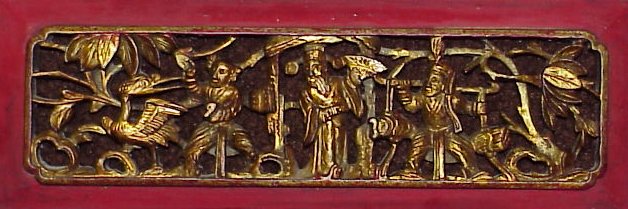
18th Century Qing Dynasty gilded carved wood panel
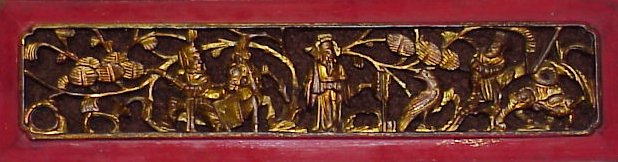
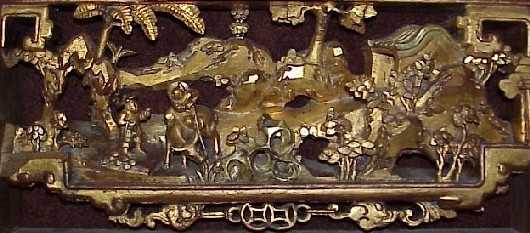
A second longer 18th Century Qing Dynasty gilded carved wood panel.
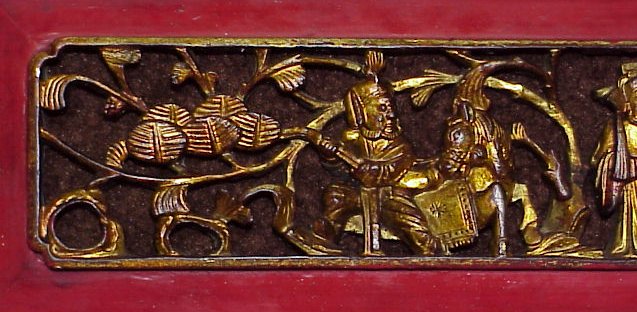
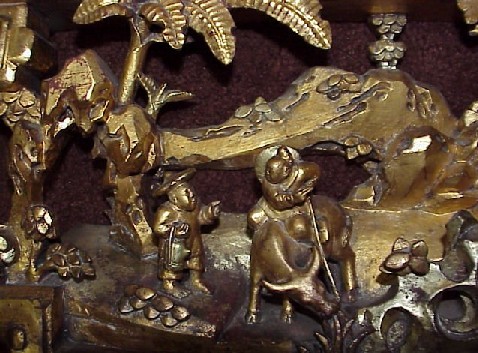
Closeup of left side of the second panel
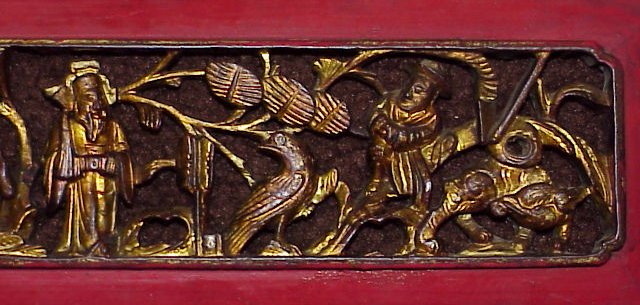
Closeup of the right side of the second panel
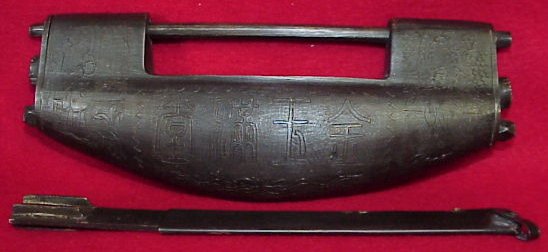
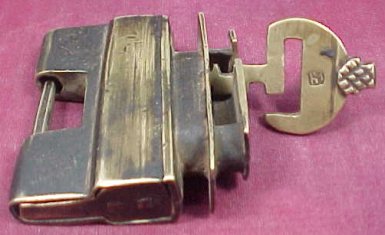
8" Mid-19th Century Qing Dynasty engraved brass lock with hidden keyway
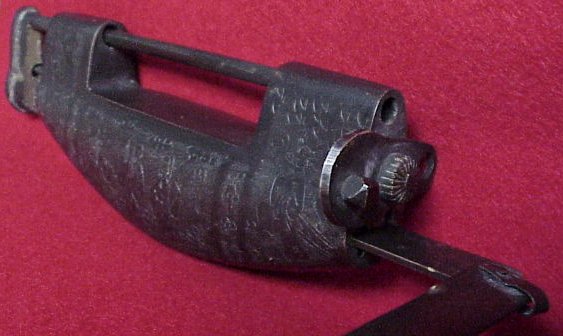
In order to open the lock you must push down on a buttom on the opposite end while pulling out against the way you are pushing, this releases the lock bolt 1/2" which allows you to turn the other end piece 90 degrees exposing the keyway. When the key is inserted the bolt opens the rest of the way. Purchased from a Chinese Government antique store.
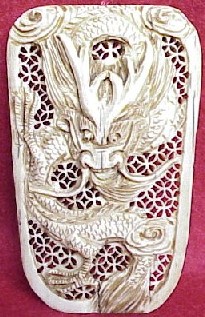
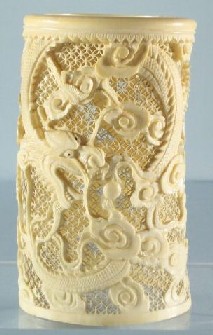
Qing Dynasty carved ivory dragon, you can see the ivory grain on the back.
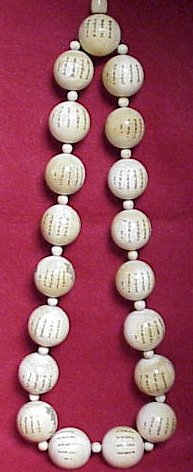
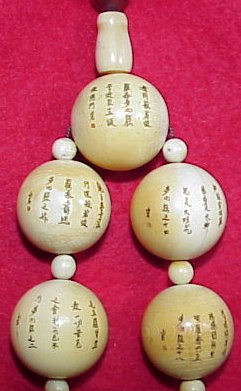
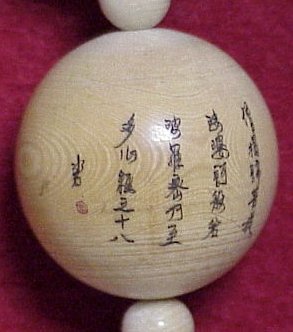
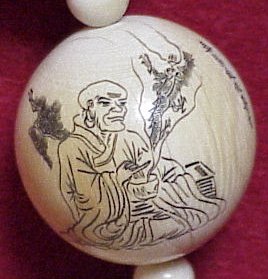
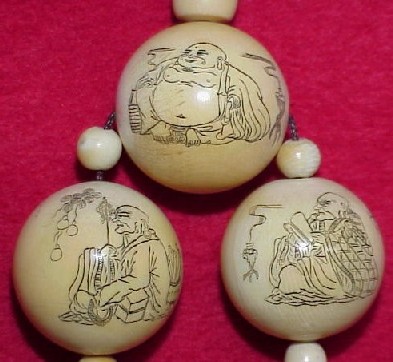
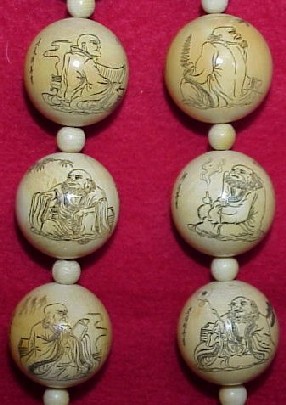
A string of 19 beautiful 18th Century Qing Dynasty ivory Buddha beads. The top bead represents Buddha and the other 18 each represent one of his disciples. Each ivory bead is 1 1/8" in diameter with a scrimshaw likeness of Buddha and his disciples on one side and one of the sayings attributed to them on the opposite side in very tiny Chinese characters. The ivory has obtained a beautiful golden patina with age and the grain shows up wonderfully. The workmanship is absolutely superb. Purchased in Wuhan, Hubei Province from a Chinese Government antique store.
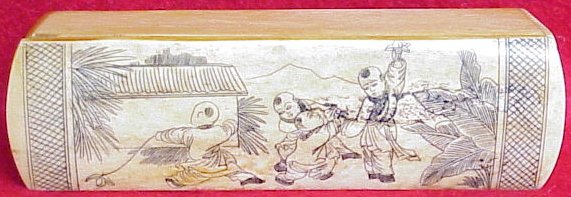
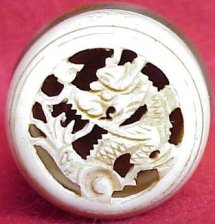
Qing Dynasty sliding top carved bone box with scrimshaw scene, held together by brass pins.
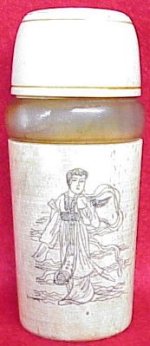
Qing Dynasty carved bone container with agate ring and scrimshaw scene on one side and Chinese characters on the opposite side.
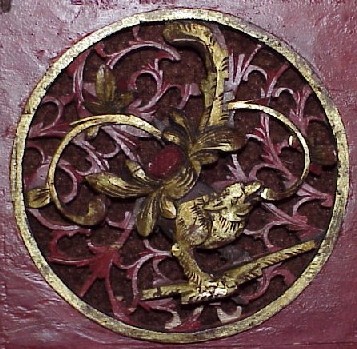
Qing Dynasty carved wood panel with a Phoenix
Some detail on the left side of the carved panel.
Some detail on the rigfht side of the carved panel.
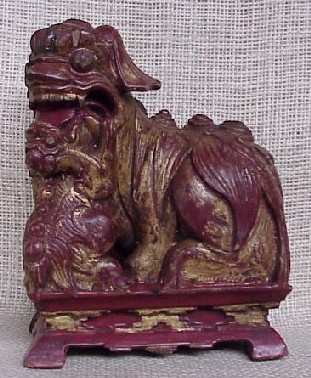
Qing Dynasty (1644-1911 A.D) carved wood Foo Dog, or Foo Lion. Foo Dogs are frequently found at the entrances to temples, gardens and homes as protection against evil spirits They are found as a male and female pair, the male having a ball under one foot and the female having a young pup. This example is a female. .
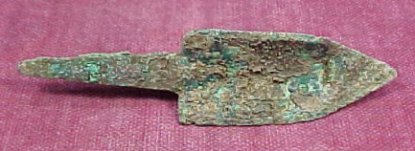
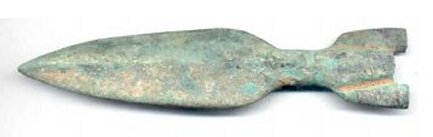
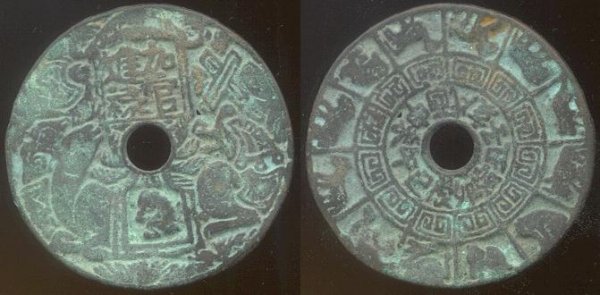
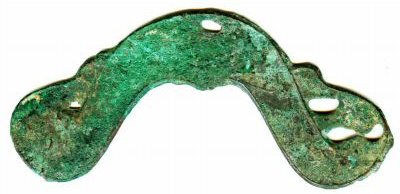
Rather than purchase the usual tourist trinkets we decided to seek items with both historic and cultural significance that we hope will someday give our daughter some connection to, and understanding of, her Chinese heritage. We have purchased a variety of items from the Chinese Neolithic Period through the 1980s. Starting with stone and bone implements to 4,000 year old painted clay pots, we added numerous pottery items from different dynasties through the Qing Dynasty in the 1800s, to typify common goods. Other items include various bronze artifacts from the Shang Dynasty (1600 - 1100 BC) and Zhou Dynasty (1122-256 BC) through the Song Dynasty (926-1121 AD), of both a common household and military nature. We also obtained a variety of more than 200 old bronze, copper and silver coins beginning with the earliest bronze currency through the Chinese Republic of the 1930s, as well as paper money starting with 1912.. Other items include wood carvings, various old Buddhist items, fine porcelain, ivory and bone carvings. We are also collecting such daily use objects as old postage stamps and food, fuel and cloth rationing coupons from the 1950s through 1980s. Shown below is a sampling of our Chinese cultural items..
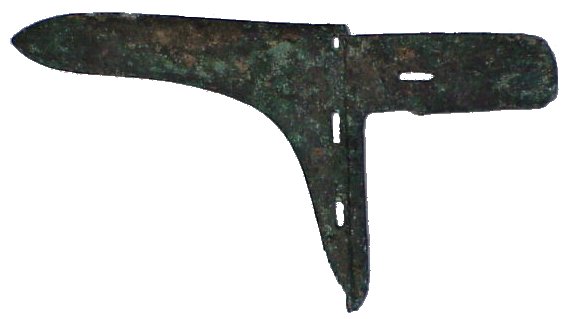
Bronze Halberd, Zhou Dynasty (1122 - 256 B.C.)
Bronze Arrowhead, Warring States Period (475 B.C.- 221 B.C.)
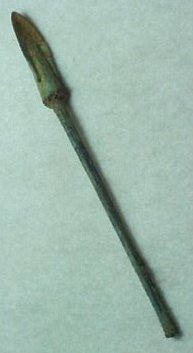
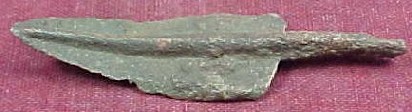
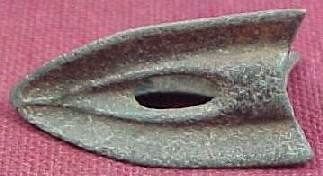
Bronze Spearpoint, Han Dynasty (206 B.C.- 220 A.D.), Hubei Province
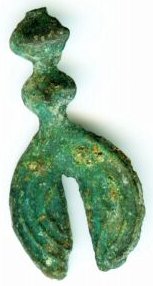
Bronze Zodiac Charm, Song Dynasty (926-1121AD)
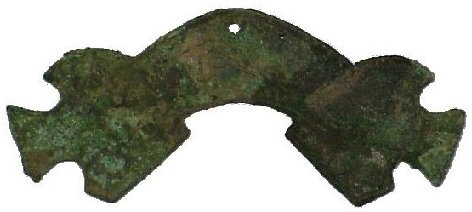
Bronze Dragon Bridge Coin, 5th Century B.C.
Bronze Dragon Bridge Coin, 5th Century BC
Ming Hua Coin, Zhou Dynasty
4th Century B.C.
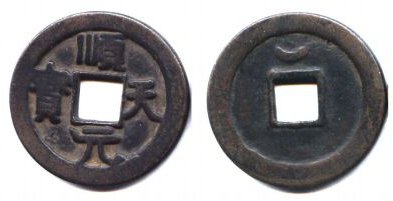
Rebel Shun Tian Moon / Yuan Bao Coin, Tang Dynasty (762 A.D.)
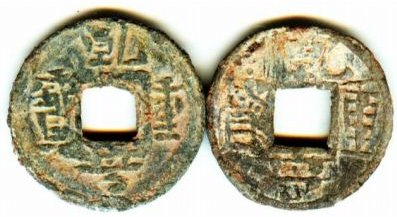
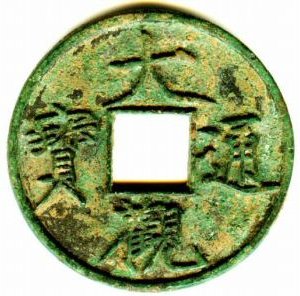
Da Guan Tong Bao / Ten Cash Coin, North Song Dynasty, 1101 A.D.
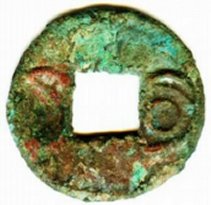
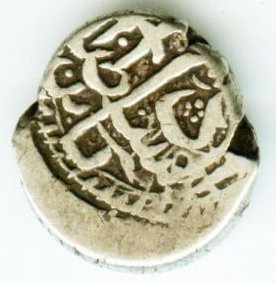
Silk Road Silver Hao Han State Coin, 25-220 A.D.
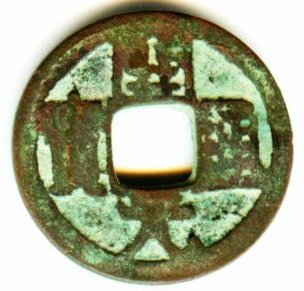
Kia Yuan Tong Bao Fu Coin Tang Dynasty 840 A.D.
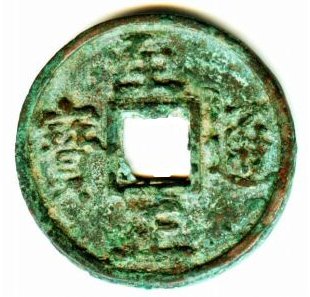
Zhi Zheng Tong Bao Ten Cash Coin,
Yuan Dynasty, 1331 A.D.
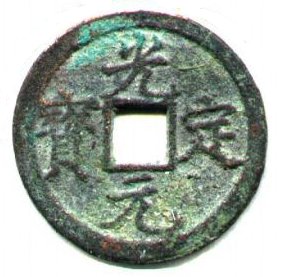
Guang Ding Yuan Bao Coin,
West Xia Dynasty, 1211 A.D.
Pincer Money,
Spring-Autumn Period, (770 - 476- B.C.)
Qian Heng Zong Bao lead coin, Five Dynasty Period, 934 A.D.
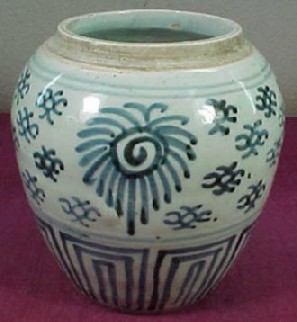
Glazed Pottery Jar, Late Ming Dynasty, 1368-1644 A.D.
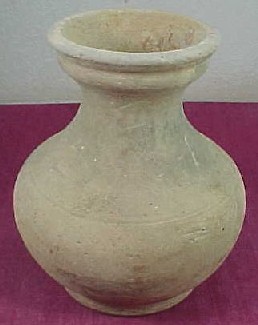
Pottery Hu, Han Dynasty 206 B.C.-220 A.D.
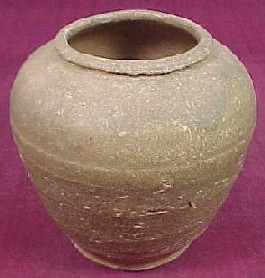
Pottery Jar, Han Dynasty (206 B.C.- 220 A.D.)
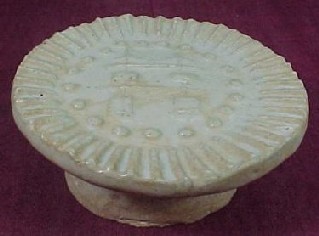
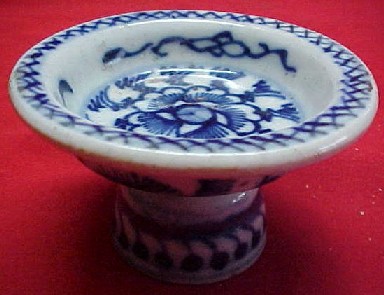
Porcelain High Bottom Dish, Qing Dynasty 1700s
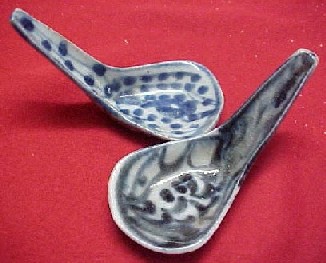
Porcelain Spoons, Qing Dynasty 1700s
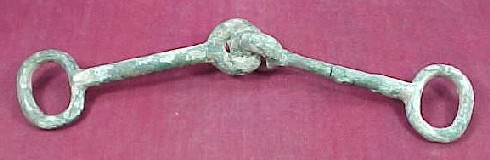
Bronze Horse Bridle Bit, Warring States Period (475-221 B.C.)
Glazed Cake Stamp, Yuan Dynasty (1279-1368 A.D.)
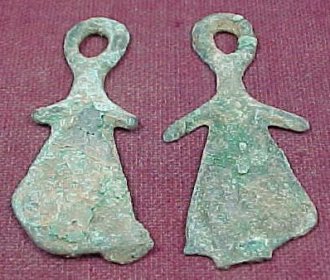
Bronze Ornaments, Warring States Period (475-221 B.C.)
Porcelain Weight, Ming Dynasty (1368-1644 A.D.)
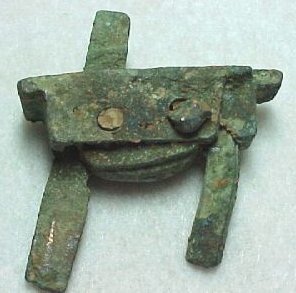
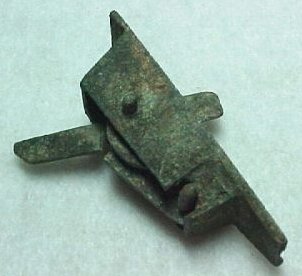
Cross Bow Trigger Mechanism, 2nd-3rd Century B.C.
Cross Bow Trigger Mechanism, 2nd-3rd Century B.C.
Cross Bow Dart, 2nd-3rd Century B.C.
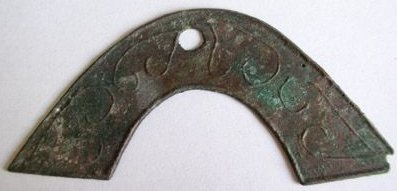
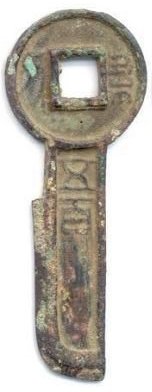
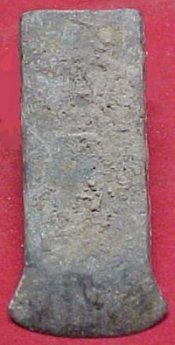
Bronze Ax Head, Han Dynasty
(206 B.C.- 220 A.D.)
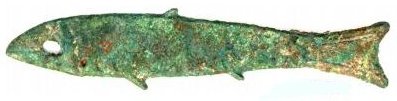
Bronze Fish Coin ,12-8th century B.C.
Qi Dao Wu Bai Key Coin
Xin Dynasty 9-22 A.D.
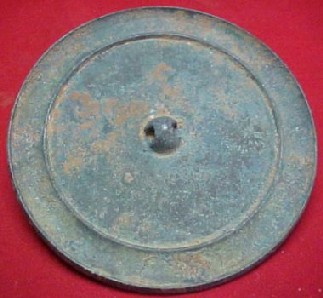
Bronze Mirror, Song Dynasty
(926-1121 A.D.)
Bridge Coin, Warring States, 475-221 B.C.
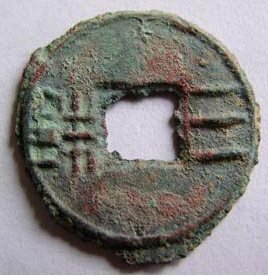
San Zhu, Western Han Dynasty 140 B.C.
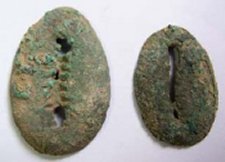
Bronze Shell Money, Zhou Dynasty 1100 B.C.
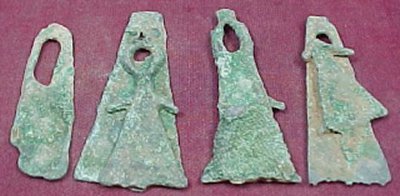

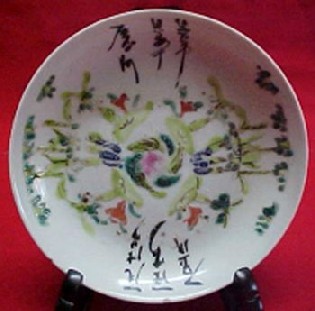
Qing Dynasty Porcelain Plate, 1800s
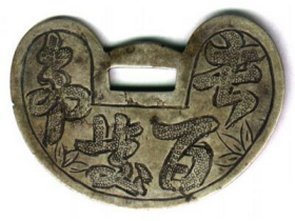
Chang Ming Pai Sui Silver Amulet, Qing Dynasty
Pai Chia Sho Silver Amulet, Qing Dynasty
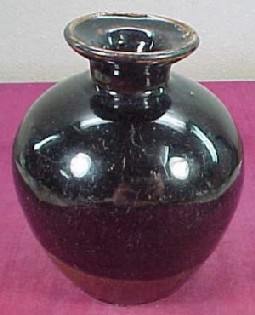
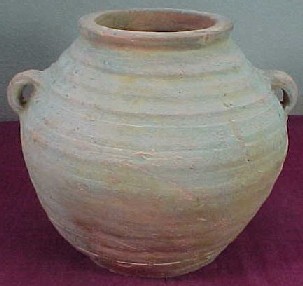
Black Glazed Pottery Jar, Qing Dynasty, 1700s
Carved Bone Shell Money, Zhou Dynasty (1122-256 B.C.)
Bronze Decorated Mirror, Song Dynasty (926-1121 A.D.)
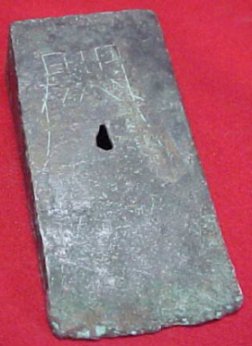
Bronze Axe, Han Dynasty (206 B.C.- 220 A.D.)
Bronze Decorations, Warring States Period (475 B.C. - 221 B.C.)
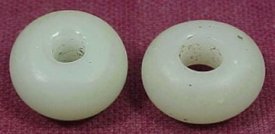
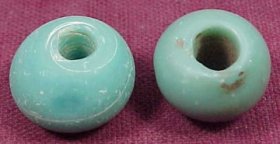
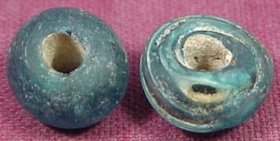
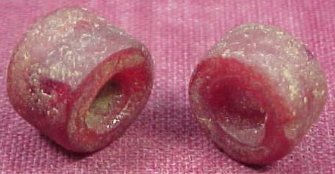
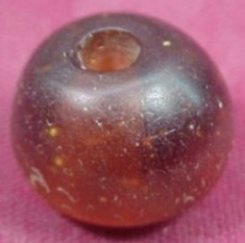
Glass Beads, Yuan Dynasty (1279 - 1368 A.D.)
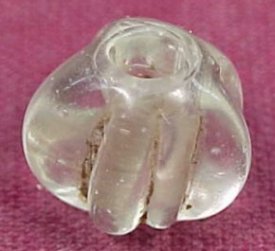
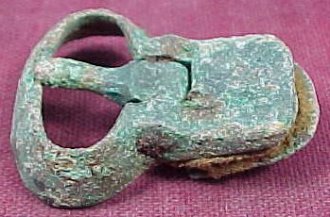
Bronze Buckle, Liao Dynasty (916 - 1125 A.D.)
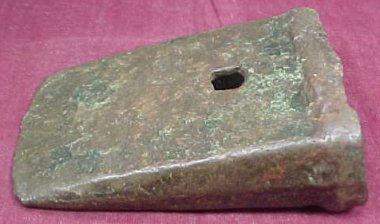
Bronze Chisel
Warring States Period
(475 B.C.- 221 B.C.)
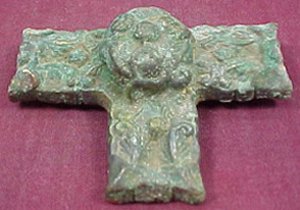
Decorated Bronze Chariot Part, Warring States Period
(475 B.C.- 221 B.C.)
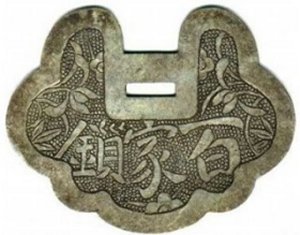
Brass Lock & Key, Qing Dynasty, 1800s
Glass Beads, Liao Dynasty (916 - 1125 A.D.)
Glass Bead, Liao Dynasty (916 -1125 A.D.)
Glass Bead, Liao Dynasty (916 -1125 A.D.)
Glass Beads, Han Dynasty (206 B.C.- 220 A.D.)
Glass Beads, Han Dynasty (206 B.C.- 220 A.D.)
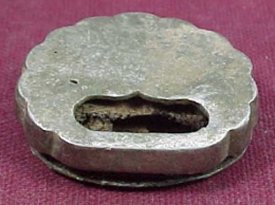
Silver Belt Ornament, Liao Dynasty (916-1125 A.D.)
Cross Bow Dart, 2nd-3rd Century B.C.
Decorated Silver Chopsticks, Qing Dynasty (1644-1911)
Bronze Axe, Warring States Period (475 B.C.- 221 B.C.)
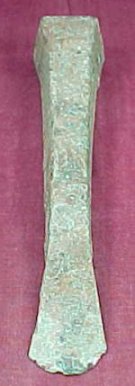
Bronze Adze, Warring States
Period (475 B.C.- 221 B.C.)
Bronze Belt Ornament, Liao Dynasty
(916 - 1125 A.D.)
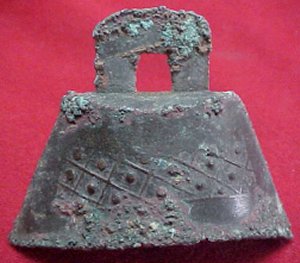
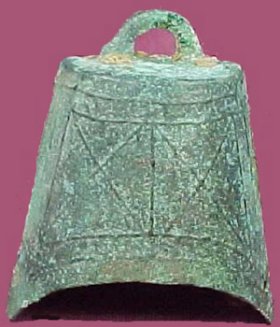
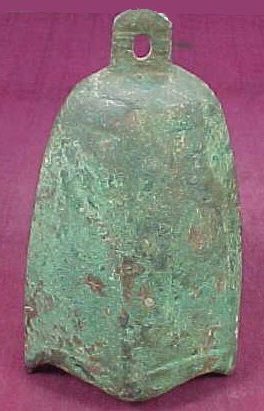
Bronze Bell, Han Dynasty (206 B.C.- 220 A.D.)
Bronze Bell, Warring States Period
(475 - 221 B.C.) Hubei Province
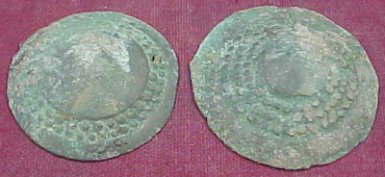
Bronze Armour Ornaments, Warring States Period
(475 - 221 B.C.)
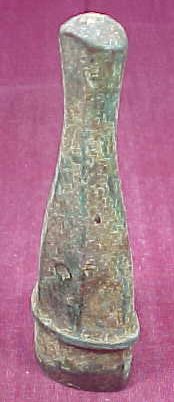
Bronze Zhun
(Pole Arm Foot),
Warring States Period
(475 - 221B.C.)
Hubei Province
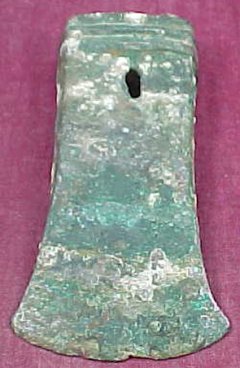
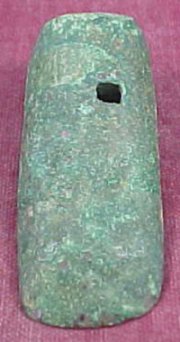
Bronze Axe Head, Warring States Period
(475 B.C.- 221 B.C.) Hubei Province
Bronze Chariot Axle Hub, Warring States Period
(475 B.C.- 221 B.C.)
Bronze Zhun (Pole Arm Foot)
Warring States Period
(475 B.C.- 221 B.C.)
Hubei Province
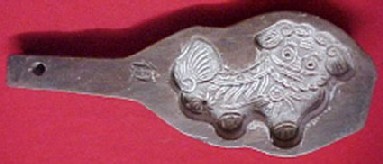
Wood Moon Cake Mold (Foo Dog), Qing Dynasty (1644 -1911 A.D.)
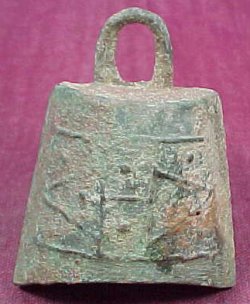
Bronze Bell, Warring States Period
(475 B.C.- 221 B.C.)
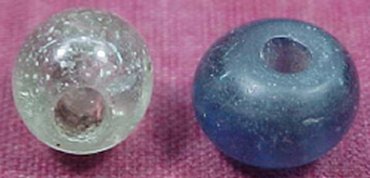
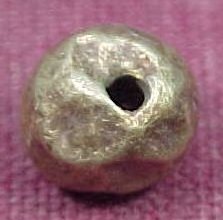
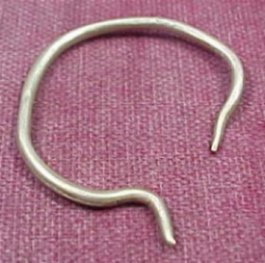
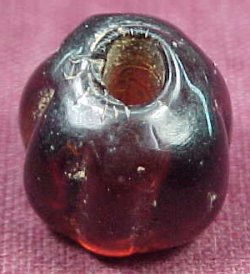
Gold Earring, Liao Dynasty (916 - 1125 A.D.)
Glass Bead, Liao Dynasty (916 - 1125 A.D.)
Gold Bead, Liao Dynasty (916 - 1125 A.D.
Glass Beads, Liao Dynasty (916 - 1125 A.D.)
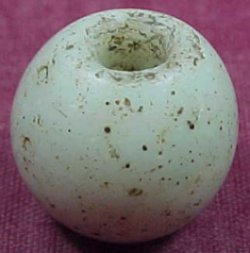
Glass Bead, Yuan Dynasty (1279 - 1368 A.D.)
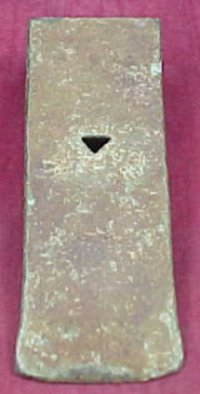
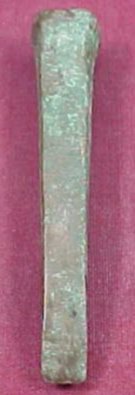
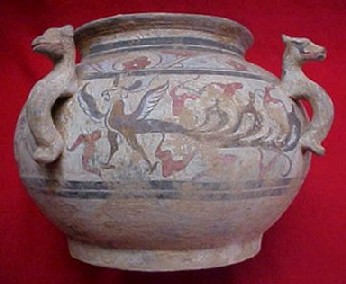
Painted Pottery Jar, Han Dynasty (206 B.C.- 220 A.D.)
Bronze Axe Head, Warring States Period
(475 B.C.- 221 B.C.)
Bronze Chisel, Warring States Period
(475 B.C.- 221 B.C.)
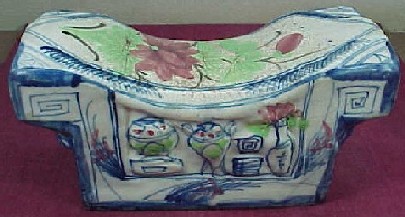
Porcelain Plllow, Qing Dynasty, 1800s
Glazed Pottery Cup, Song Dynasty 906 -1279 A.D.
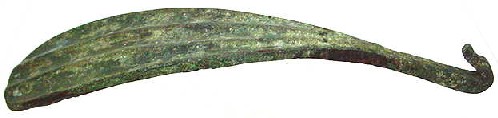
7 1/2" Bronze Belt Hook, Han Dynasty (206 B.C.- 220 A.D.)
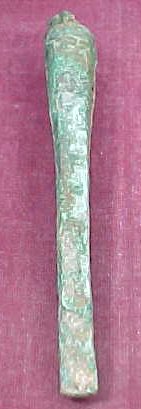
Bronze Chisel
Warring States Period
(475 B.C.- 221 B.C.)
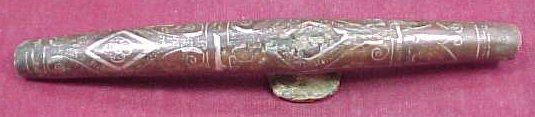
Bronze Belt Hook with Inlaid Silver Design, Han Dynasty 206 B.C.- 220 A.D.
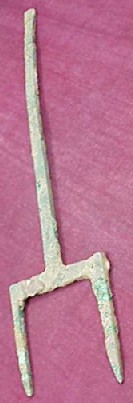
Bronze Fork
Warring States Period
(475 B.C.- 221 B.C.)
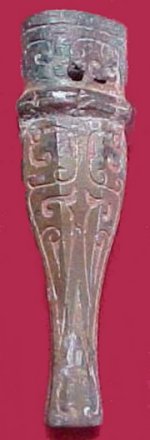
.Bronze Pole Arm Foot
Warring States Period
(475 B.C.- 221 B.C.)
Hubei Province
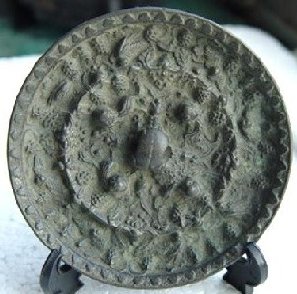
Bronze Mirror with Grape & Fish Design Tang Dynasty (618 - 906 A.D.)
Bronze Mirror, Tang Dynasty ((618 - 907 A.D.)
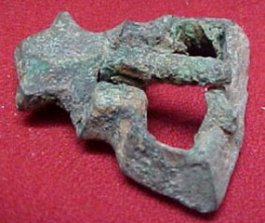
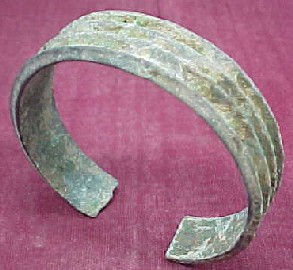
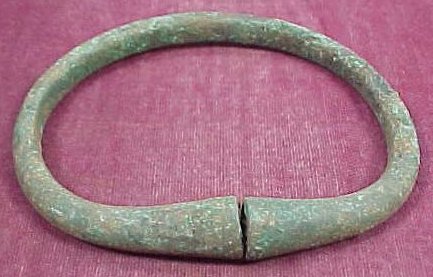
.Bronze Bracelet, Warring States Period
(475 B.C.- 221 B.C.)
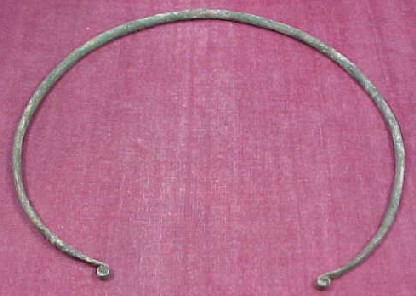
Bronze Neck Ring, Laio Dynasty (916 - 1125 A.D.)
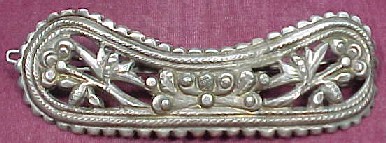
Detail on Ivory Bead
Text Detail on Ivory Bead
Detail of Buddha and Two Disciples
Detail of Six Disciples
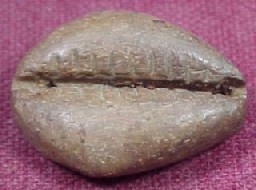
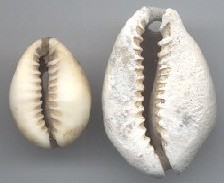
Cowrie Shell Money, Approx. 2100 B.C.
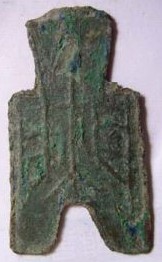
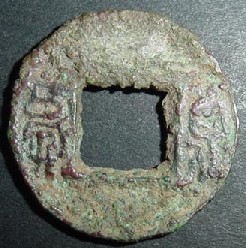
Feng Hua, Jin Dynasty (265 - 420 A.D.)
Spade Coin, Zhou Dynasty
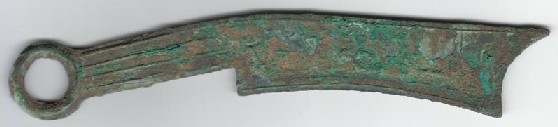
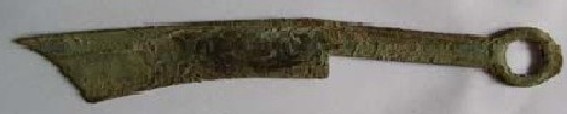
Knife Money, Spring & Autumn Period (770 B.C.- 476 B.C.)
3-Character Khife Money, Zhou Dynasty
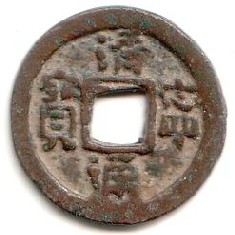
Qing Ning, Laio Dynasty (916 -1125 A.D.)
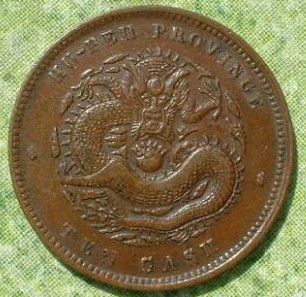
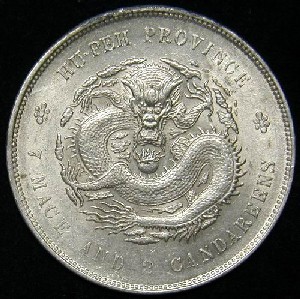
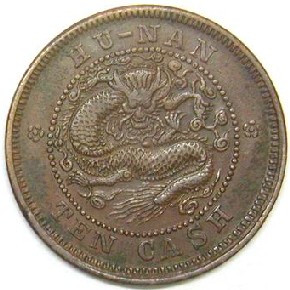
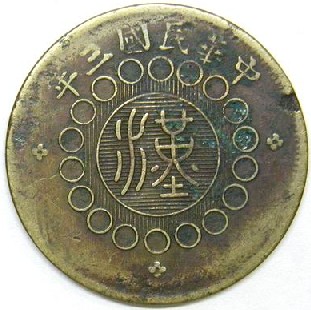
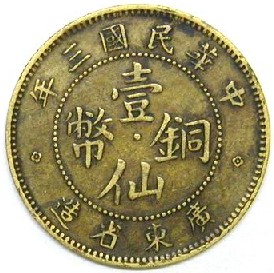
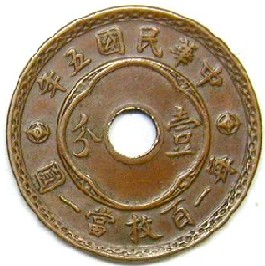
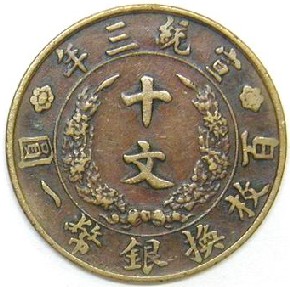
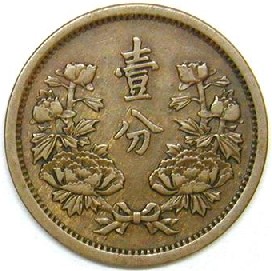
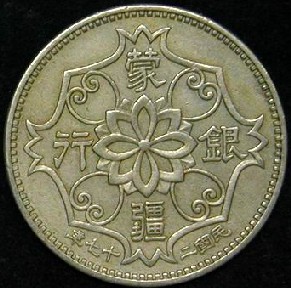
1902 - 1906 Hunan Province 10 Cash Dragon Coin
1902 - 1905 Hu-Peh (Hubei) Province 10 Cash Coin
1909 - 1911 Hu-Peh (Hubei) Province Silver Coin
1913 Szechuan Province 50 Cash Coin
.1916 China Republic 1 Fen Coin
1915 Kwangtung Province 1 Cent Coin
1934 Manchuokuo 1 Fen Coin
1938 Meng Chian 5 Chiao Coin
1911 Empire 10 Cash Coin
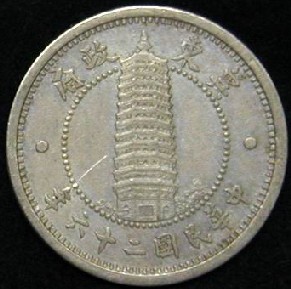
1937 East Hopei Province 1 Chiao Coin
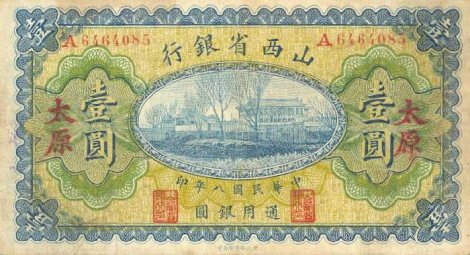
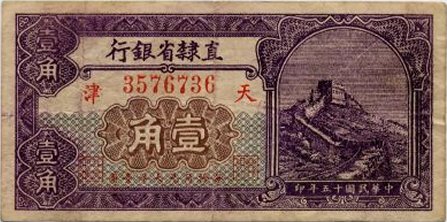
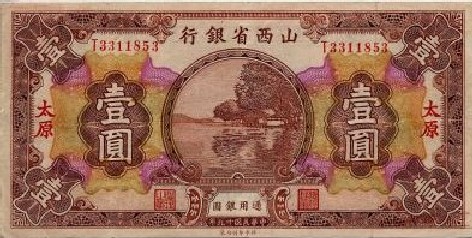
Shansi Provincial Bank, 1919
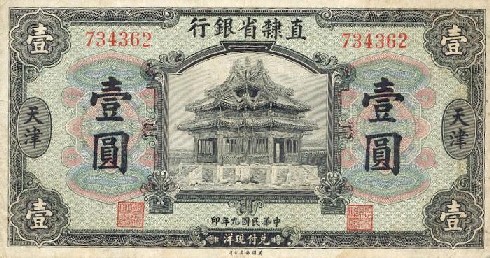
Bank of Chihli Province, 1 Yuan
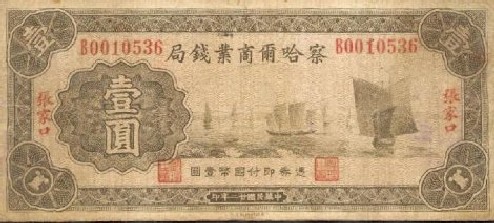
Charhar Commercial Bank, 1 Yuan, 1933
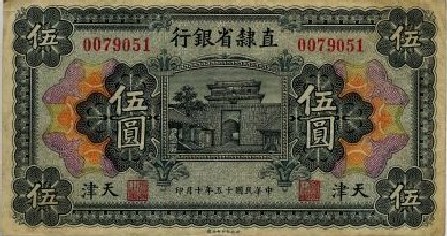
China Provincial Bank of Chihli, 1926
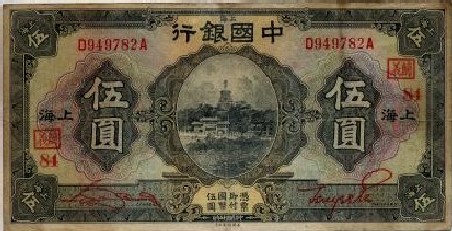
China Provincial Bank of Chihli, 5 Yuan, 1926
China Shansi Provincial Bank, 1 Yuan, 1930
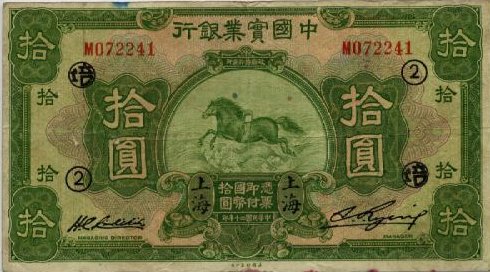
National Industrial Bank of China, 5 Yuan, 1931
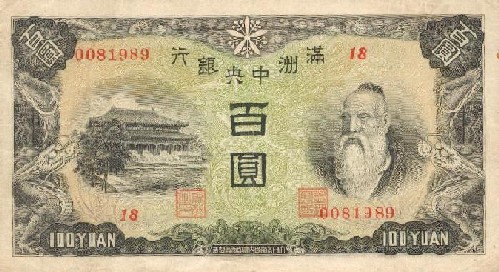
Manchuria Center Bank, 100 Yuan
Bank of China, 5 Yuan, 1926
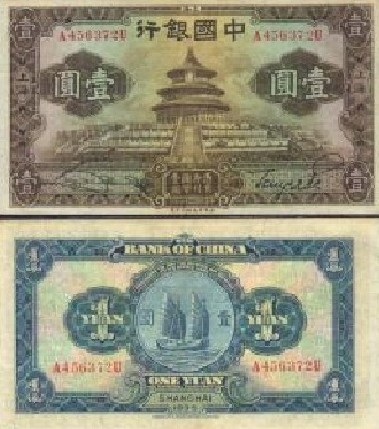
Bank of China, Shanghai, 1 Yuan, 1935 (front & back)

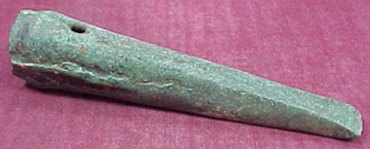
Bronze Chisel, Warring States Period (475 B.C.- 221 B.C.)
.Bronze Chisel, Warring States Period (475 B.C.- 221 B.C.)
Bronze Chariot Axle Hub, Warring States Period
(475 B.C.- 221 B.C.)

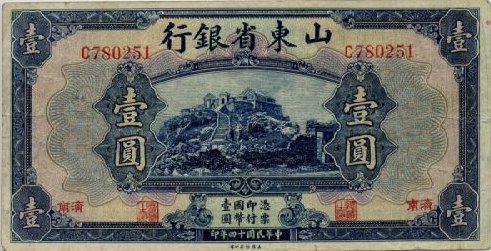
Bank of Shantung, 5 Yuan, 1925
Bronze Sword, Warring States Period (475 B.C.- 221 B.C.)
Bronze Bell, Song Dynasty (906 - 1279 A.D.)
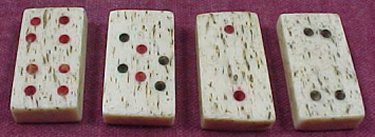
Bronze Buckle, Han Dynasty (206 B.C.- 220 A.D.)
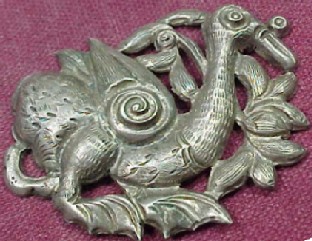
Silver Duck, Qing Dynasty (1644 -1911)
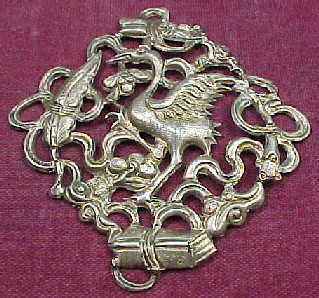
Silver Crane, Qing Dynasty (1644 -1911)
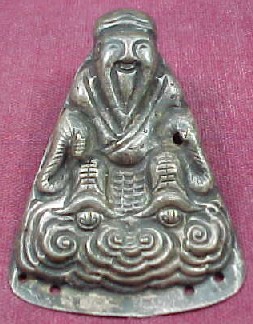
Silver Figure of Chinese Official, Qing Dynasty
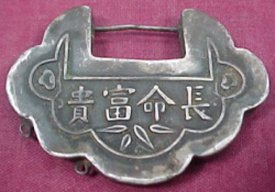
Silver Longevity Amulet, Qing Dynasty
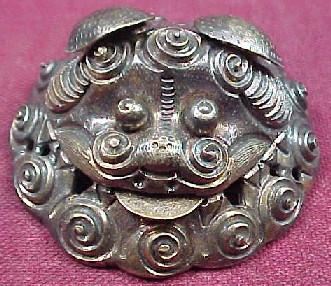
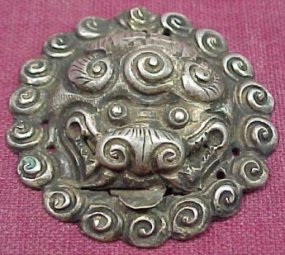

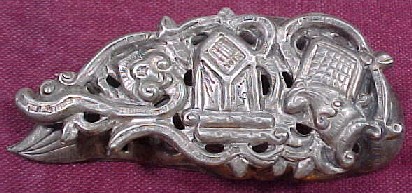
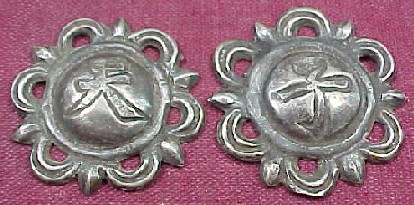
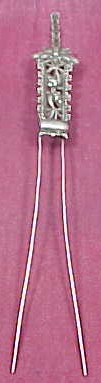
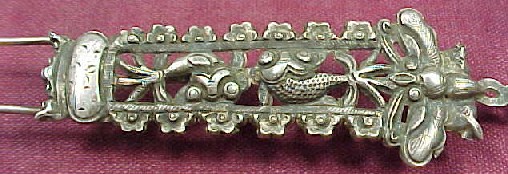
Silver Hairclip, Qing Dynasty (1644-1911)
Silver Foo Dog, Qing Dynasty (1644-1911)
Silver Ornament, Qing Dynasty (1644-1911)
Silver Foo Dog, Qing Dynasty (1644-1911)
Silver Hairpin
Qing Dynasty
( 1644-1911)
Silver Hairpin Closeup
Hairpin, Qing Dynasty (1644-1911)
Silver Ornaments, Qing Dynasty (1644-1911)
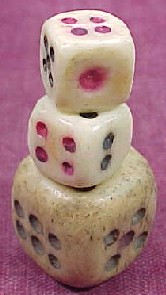
Bone Dice, Qing Dynasty 1644 - 1911
Bone Dominos, Qing Dynasty (1644-1911)
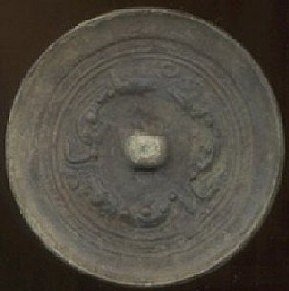
Bronze Mirror, Warring States Period
(475 B.C.- 221 A.D.)
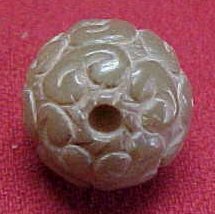
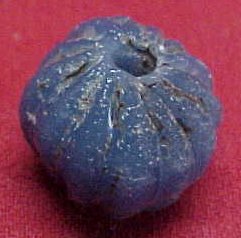
Glass Bead, Dynasty Liao (916 -1125 A.D.)
Carved Jade Bead, Han Dynasty (206 B.C.- 220 A.D.)
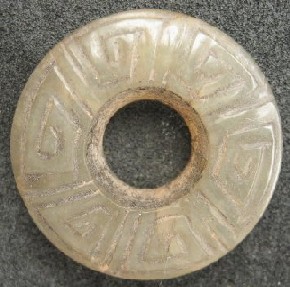
Carved Jade, Han Dynasty (206 B.C.- 220 A.D.)
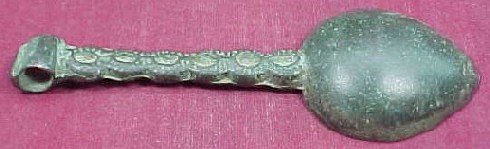
Bronze Spoon, Western Zhou Dynasty (1100 - 770 B.C.)
Bronze Pot, Han Dynasty (206 B.C.- 220 A.D.)
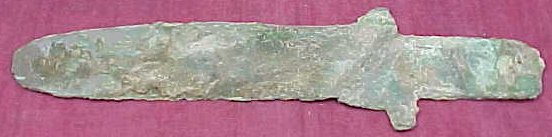
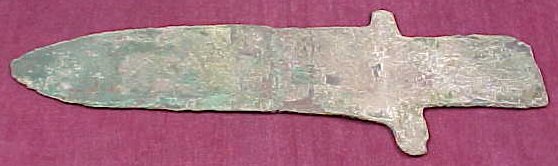
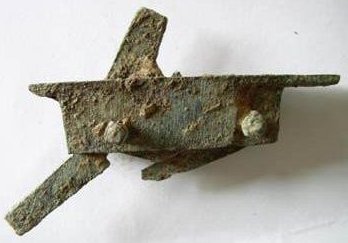
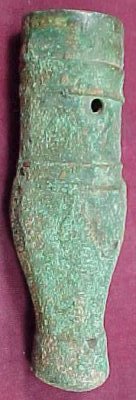
Bronze Weapon, Shang Dynasty (1600 B.C.- 1100 B.C.)
Bronze Weapon, Shang Dynasty (1600 B.C.- 1100 B.C.)
Cross Bow Trigger Mechanism, Han Dynasty (206 A.D.- 220 A.D.)
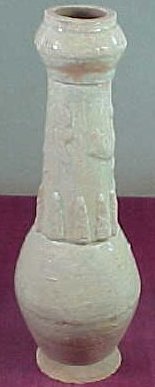
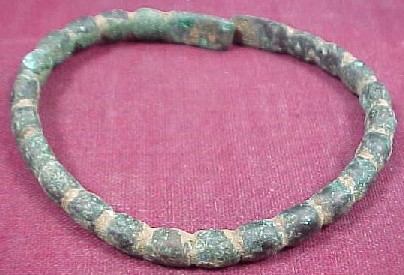
Glazed Pottery Vase
Song Dynasty (906 - 1279 A.D.)
Bronze Decorated Bangle, Han Dynasty (206 B.C.- 220 A.D.)
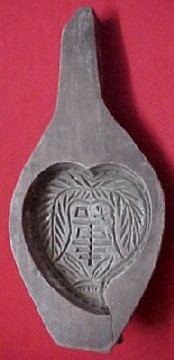
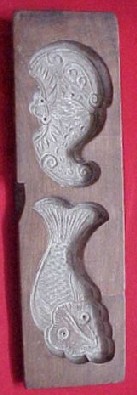
2 Wood Moon Cake Molds, Qing Dynasty (1644 - 1911 A.D.)
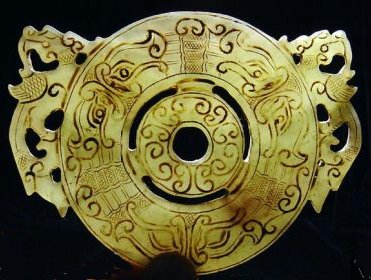
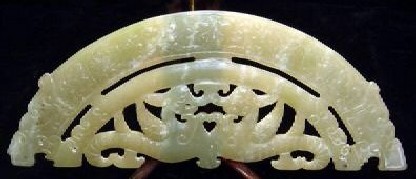
Jade Huang, Western Zhou Dynasty (1027 B.C.- 771 B.C.), Xianjing Province
6" Jade Double Dragon Bi, Han Dynasty (206 B.C.- 220 A.D.)
Xianjing Province
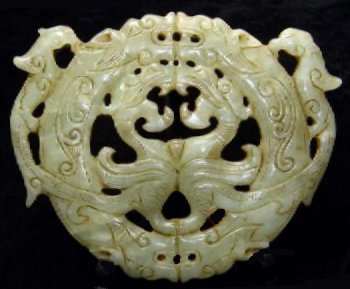
7" Jade Double Phoenix Round Pei, Yuan Dynasty (1279 - 1368 A.D).
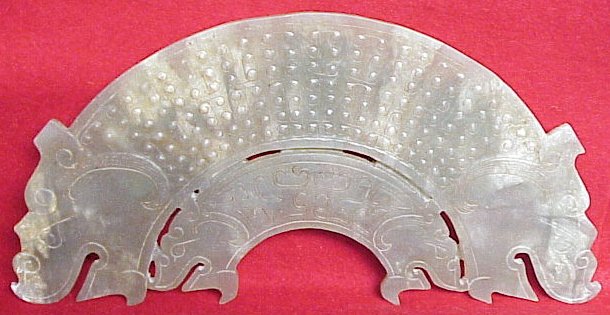
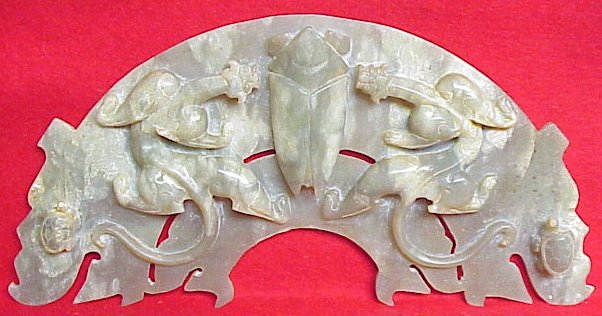
12.5" Jade Huang, Qing Dynasty (1644 -1911)
Opposite side of Jade Huang
A jade bi is a round, flat piece of jade with a circular hole in the center. The ancient Chinese called the hole hao and the wide border around it rou, stipulating that the width of the rou must be at least twice the diameter of the hao. According to the Book of Zjou Rites, bi were used in sacrifices to Heaven
A jade huang is a semi-circular ornament used as pendants or in larger forms as wall decorations. Although primarily for decorative purposes, jade huang were used as ritual objects in court ceremonies, and during sacrifices and funerals.
A jade pei is a double huang in a circular pattern, and used for the same purpose, such as the example below..
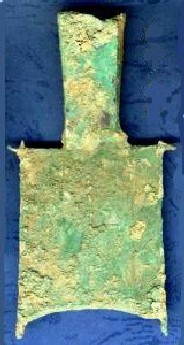
Hollow-Handle Pu with character Pu
Zhou Dynasty 5th Century B.C.
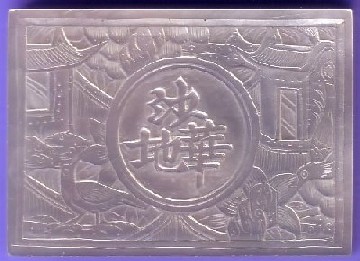
Rare MOP Gaming Counter Inscribed with Chinese Characters

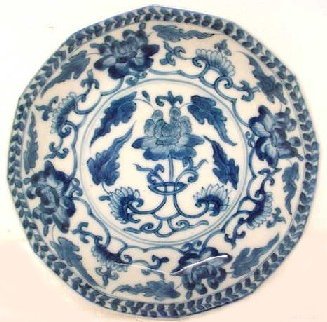
12-sided Plate, Qing Dynasty, Kangxi Period (1662 - 1722)
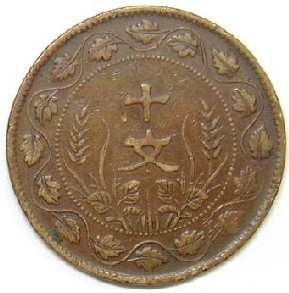
1920 Republic 10 Cash Coin
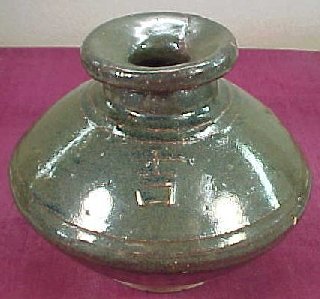

Pottery Jar, Song Dynasty (906 - 1279 A.D.)
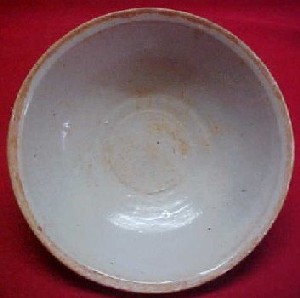
Glazed Bowl, Song Dynasty (906 - 1279 A.D.)
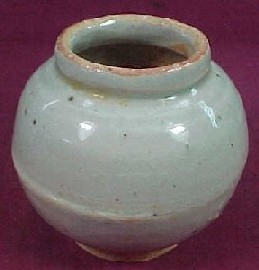
Porcelain Jarlet, Yuan Dynasty (1279 - 1368 A.D.)
Glazed Jar with Chinese Character, late 1700s
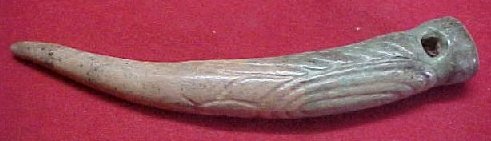
Neolithic Carved Bone Harpoon Point
Neolithic Carved Ivory Amulet
Neolithic Carved Antler Amulet
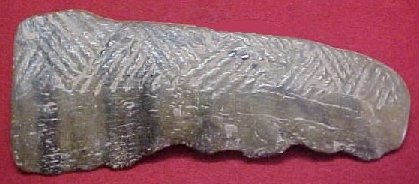
Neolithic Carved Bone
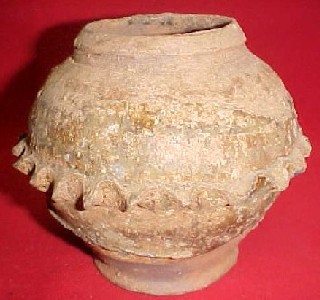
Glazed Jar, Tang Dynasty (618 - 906 A.D.)
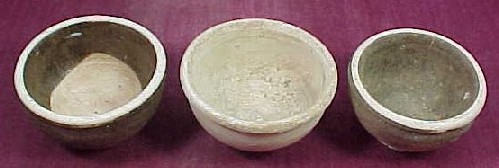
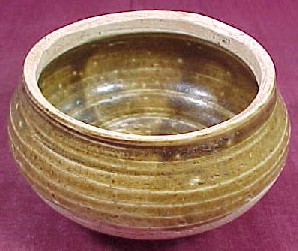
Glazed Tea Bowls, Tang Dynasty (618 - 906 A.D.)
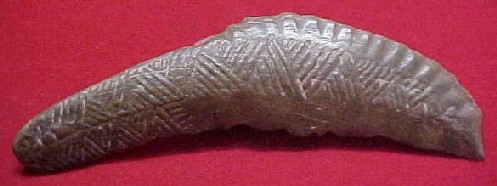
Neolithic Carved Bone
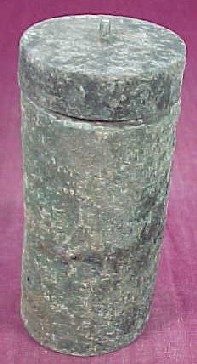
Bronze Jar with Lid
Han Dynasty (206 B.C.- 220 A.D.)
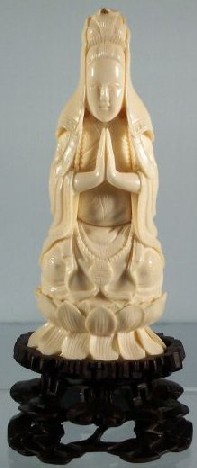
Ivory Carving - Guanyin, Chinese
Buddhist Goddess of Mercy
Mid to Late 1800s
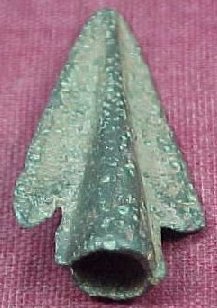
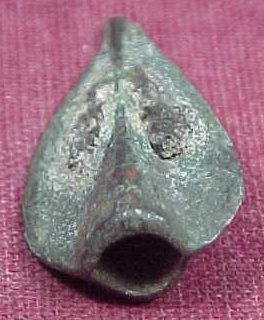
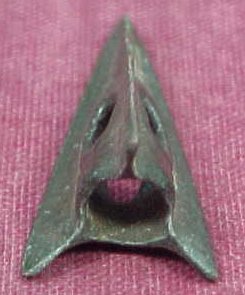
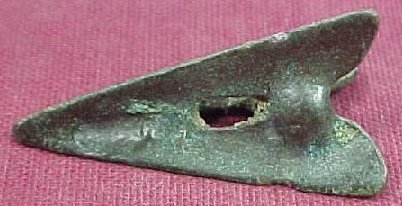
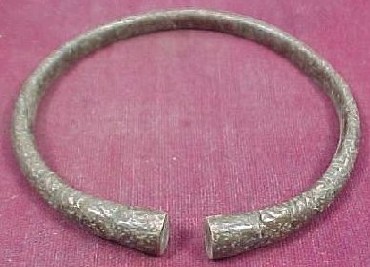
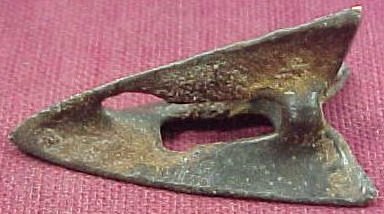
Bronze Arrow Point
Shang Dynasty (1600 B.C.- 1100 B.C.)
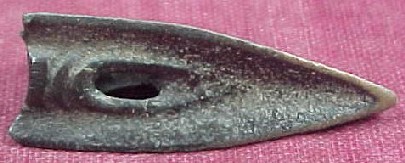
Bronze Arrow Point
Shang Dynasty (1600 B.C.- 1100) B.C.

Signed 7 1/2" Ivory Dragon Carving
Qing Dynasty Mid-1800s
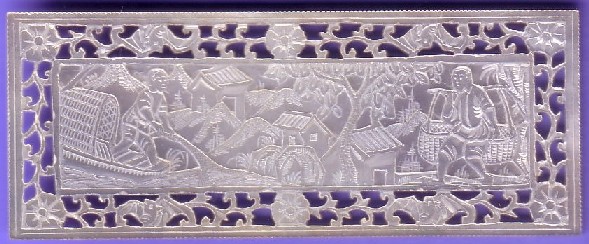
MOP Fretted Gaming Counter, ca. 1800 - 1840

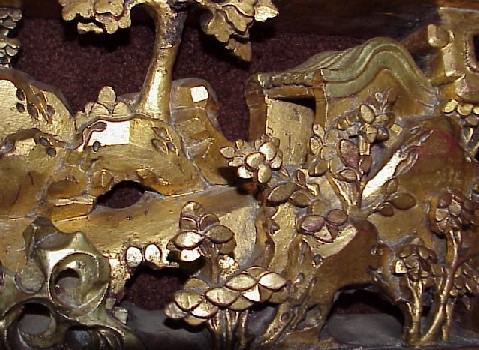
24" gilded country scene wood carving with woman riding a water buffalo, Qing Dynasty
Full set of 19 Ivory Beads
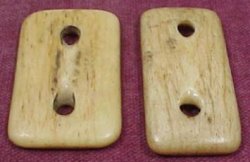
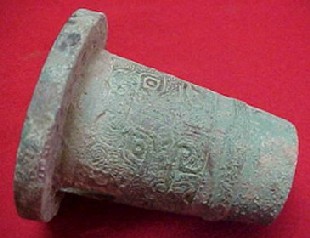
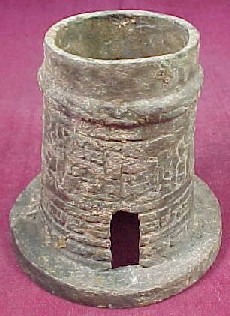
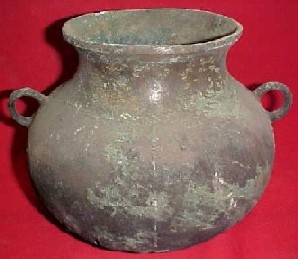
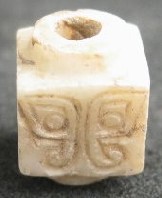
Jade Carved Bead
Han Dynasty
Bone Artifacts, Yuan Dynasty
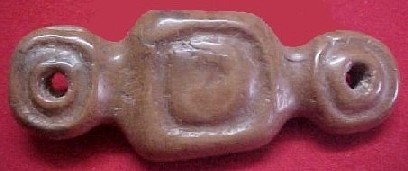
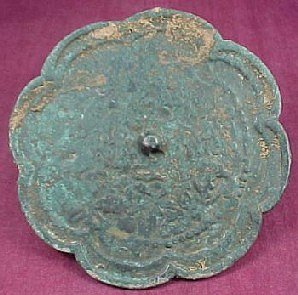
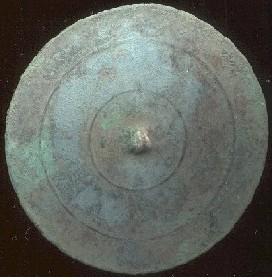
Jade Bi, Huang and Pei
Bronze Bangle, Song Dynasty (926 -1121 A.D.)
Bronze Decorated Bangle, Song Dynasty (926 - 1121 A.D.)
Bronze Decorated Bangle, Song Dynasty (926 - 1121 A.D.)
Bronze Knife, Warring States Period (475 - 221 B.C.), Hubei Province
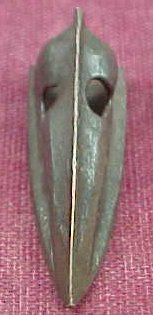
Bronze Arrow Point, Late Spring & Autumn Period (770-456 BC)
Bronze Arrow Point, Late Spring & Autumn Period (770-456 BC)
Bronze Arrow Point
Shang Dynasty, (1600 B.C.- 1100 B.C.)
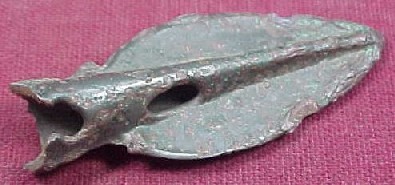
Bronze Arrow Point, Spring & Autumn Period (770 - 456 B.C.)
Bronze Arrow Point, Spring & Autumn Period (770 - 456 B.C.)
Bronze Arrow Point
Spring & Autumn Period
770 - 456 B.C.
Bronze Arrow Point, Western Zhou Dynasty (1100 - 770 B.C.)
Bronze Arrow Point
Spring & Autumn Period
770 - 456 B.C.
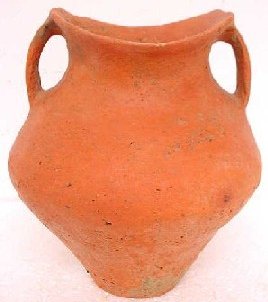
Pottery Amphora - Siwa Culture
1300 - 1000 B.C. Gansu Province
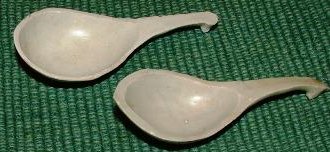
Celadon Spoons, Song Dynasty (906 -1279) A.D.)

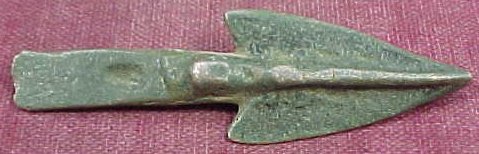
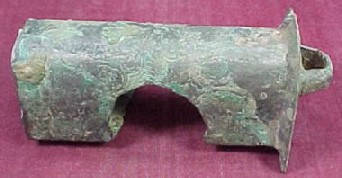
Bronze Arrow Point, Western Zhou Dynasty (1100 B.C.- 770 B.C.)
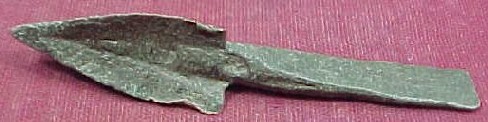
Bronze Arrow Point, Early Spring & Autumn Period (770 B.C.- 456 B.C.)
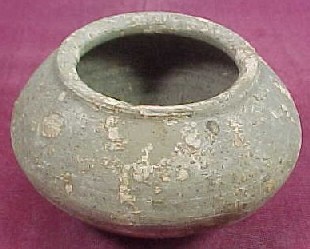
Pottery Jar, Han Dynasty 206 B.C.- 220 A.D.
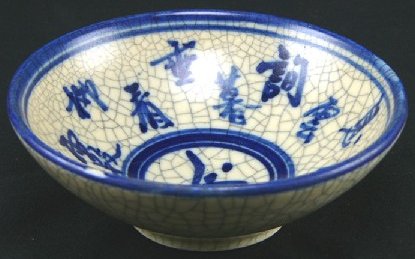
Underglaze Blue Minyao Bowl, Wanli Reign (1573-1620) Ming Dynasty
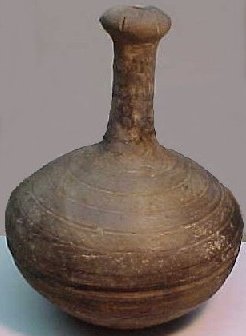
Pottery Jar - Warring States Period
475 -221 B.C.
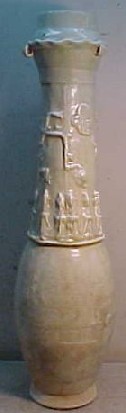
Glazed Pottery Vase
Song Dynasty
906 -1279 A.D.
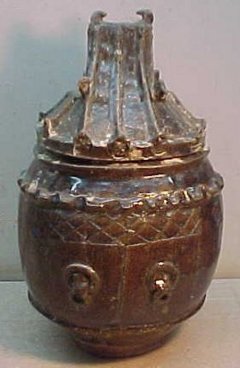
Glazed Pottery Granary - Song Dynasty
906 -1279 A.D.
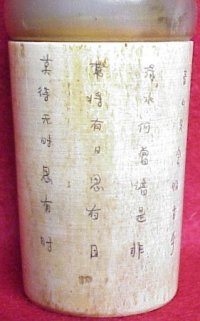
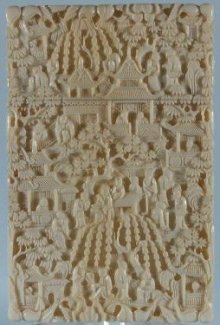
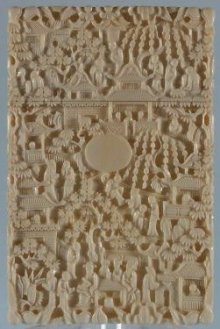

Hand carved deep relief ivory calling card case made in Canton, circa 1850-1870, from the height of the "Old China Trade". Measures 4 9/16" high.
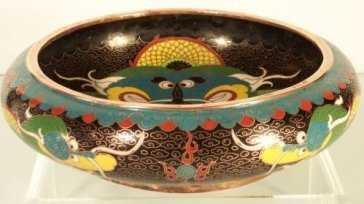
Cloisonne Dragon Bowl - late Qing Dynasty,Circa 1900
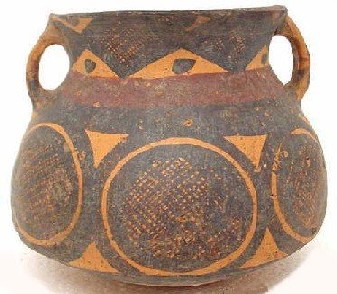
Neolithic Pottery Jar, Majiayao Culture, Machang Phase 3000 - 2000 B.C. Gansu Province
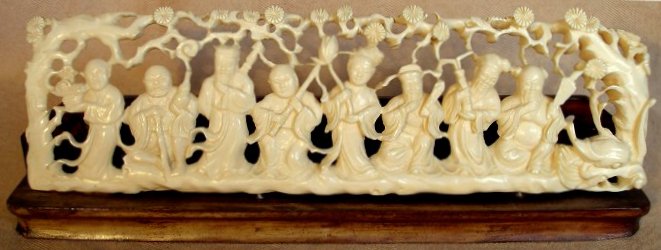
10 1/2" Ivory Carving of the 8 Immortals - Qing Dynasty (mid to late 1800s). Legendary Taoist Immortals, seven male and one female, are said to have originated in the Han dynasty ( Western Han, 206 BC- 240 BC) . The figures are recognizable by their attributes: Zhong Liquan with a fan; Zhang Guolao with a frog-shaped musical instrument; Lu Dongbin with a sword and a fly-whisk; Cao Guojiu with a pair of tablets resembling castanets; Li Tieguai with an iron crutch; Han Xiangzi with a flute; Lan Caihe with a flower basket; and He Xianggu with a lotus .
